Our Wild Pick!
Herbs to forage in June/Early July
Interested in Potions and Herbology? June is a fantastic time to venture out into the countryside and pick up some useful specimens for your magical store cupboard. Or even just for dinner...? (It is easy to forget as you stand in the supermarket that every single vegetable or fruit on offer was once a wild plant.)
Remember, plant and herb materials can be dried, pickled, made into syropp, tinctures, or even plain old jams and jellies – so even if you don’t have a need for it right this moment it is worth going out there and picking some supplies. Get it while its fresh!
Here are just a few of the many wild ingredients for potion making that are available right now in June:
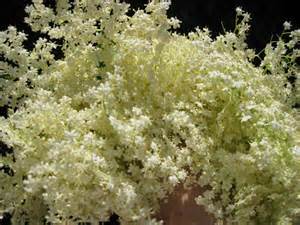
Elderflower Blossoms
These frothy whitish yellow flowers have a glorious scent and impart a beautiful summery aroma to both potions and cooking.
Tips: Never eat the leaves of the Elder as these are slightly poisonous. In the Autumn avoid unripe berries.
Preparation: Tinctures can be made of the flowers to preserve their properties and beautiful aroma. Just steep elderflowers in a high proof alcohol such as Vodka for a couple of days to bring out the flavour – add some sugar or honey to taste; and don’t forget to strain out the flowers after they have enthused!
Elderflowers can also be dried, added to Jam (They go especially well with Gooseberry or Apple Jam), or made into syrup or cordial. The young flower buds can be pickled; and a gorgeous sparkling wine made from the flowers. Elderflowers are a wonderfully versatile magical ingredient!
Medicinal uses: Elderflowers often appear in skin ointments or eye washes. They have a soothing effect on the skin. Steep them in pure water to make a fantastically refreshing eye wash.
Magical uses/Traditional: Traditionally Elderflowers were made into fritters! (Make a sweet batter to mix them in, fry in hot oil, dust with sugar, and garnish with mint...) In Celtic tradition the Elder tree was considered to be especially magical. It was said that a pipe made from elder would summon the faeries; and if you stood under an Elder tree on Midsummers Eve you could see right into the Faerie Realms.
Elder wood was traditionally used to make wands...And Harry Potter had an Elder Wand of course! – no surprise when the Elder tree has long been considered a powerfully magical tree.
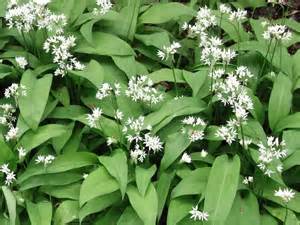
Ramsons/Native Wild Garlic
Found in damp woods and hedge banks, Ramsons is an ancient vegetable with real culinary merit. As its name suggests, it tastes like garlic – but yet it is a milder, fresher kind of garlic which works really well in many dishes. (And potions too!)
Tips: The leaves of Ramsons/Wild Garlic look very similar to Lily of the Valley, which is poisonous. It is, however, very easy to tell them apart – crush the leaves and smell them! If they are undeniably garlicky then you’re good to go! Otherwise leave them alone.
Avoid harvesting Wild Garlic right on the edges of public footpaths, as dogs may have ahem done a little bit of their business on the leaves...
Preparation: After a good wash Ramsons can be eaten quite simply in salads or sandwiches. You can also use them as a more exotic and milder substitute for any recipe that calls for garlic- pesto, garlic mayonnaise, pasta recipes, tomato and mozzarella salad etc.
There are so many recipes that could include wild garlic that I won’t wax lyrical here – look them up online – however there is just one very simple recipe that I will share because it is so quick and so awesome:
Wild Garlic Soup:
Ingredients:
Water/Milk – depending on how rich you want it.
Two potatoes, peeled and diced.
One large onion, peeled and diced.
A large bunch of wild garlic leaves.
A small pot of single cream.
Salt and pepper to taste.
Method:
Fry the onions in a pan until soft and caramelised. Add the potatoes and enough water or milk to cover them. Simmer until the potatoes are nearly soft then add the Wild Garlic leaves and simmer for another ten minutes or so until they too are soft.
Splash in a good slug of single cream and then blitz in the blender. Season and serve - perhaps with a wild garlic flower on top for extra beautification...Om nom!
Medicinal uses: Antibacterial, antibiotic, antiseptic...Lowers blood pressure, which helps to prevent heart disease and stroke.
Magical
uses/Traditional: Garlic has traditionally been a
cleansing herb in magical rituals. Use it to drive away negative energies and
summon powerful forces – it can help to build strength and break down barriers,
whether mental or physical.
You’re highly intelligent, obviously, so this hardly needs saying but please do respect the environment:
· Never completely strip a wild plant of its leaves, berries, or whichever part of it you are picking. Try to take small quantities from several specimens rather than all from the same plant.
· Try not to take too many flowers or seeds from annual plants – they rely on these for their survival- you want them to come up again next year after all!
· Try to restrain yourself from completely uprooting plants as a general rule. Of course often the most potent chemicals found within the plant are concentrated within the roots, so you may fall back on this rule occasionally – but do consider the plant and its future survival, especially if it is becoming rare or endangered.
· Japanese Knotweed or Himalayan Balsam are fair game however in Britain, as they are considered to be invasive weeds... (Actually Japanese Knotweed makes a great jam, similar to Rhubarb, and is lovely with a little ginger- yum! Though do avoid areas sprayed with poison by the council, of course.)
· Think of your own health too. Never eat a specimen that you cannot positively identify, as some plants, such as Hemlock and Water Dropwort, are deadly poisonous. Also, never gather from busy roadside verges as the pollutants from car exhausts may have contaminated the greenery.