The Potions And Herbology Department
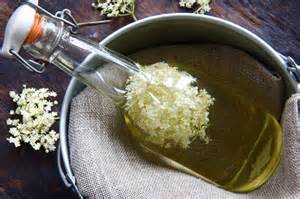
Harvesting Your Potion Ingredients
What a wondrous world we live in- no more do we have to travel to exotic lands or sally forth through the wildwood to harvest plants and herbs. We can get most of it on the internet. How thrilling!
If you’ve found a reputable vendor then the internet can actually be a safer way of doing things. You certainly lower the risk of killing yourself off by picking Hemlock instead of Wild Caraway this way, because you can be pretty sure that the correct plant will find its way into your potion.
However, although this may be the safest method, it’s not the one I’d recommend for common and easily identifiable herbs. It’s cheaper and potentially very useful (Apocalypse, anyone?) to be able to pick and identify medicinal plants yourself. Furthermore, when you can, ie at the right time of year, it’s more effective to use fresh rather than dried ingredients as the chemicals within them are at their peak.
The Correct Harvesting Of Magical Herbs
An Attitude of Gratitude
At the risk of sounding like a big hippy, it’s worth getting into the right kind of mental “zone” before you set off to forage for magical ingredients. At best this will improve your potion, at the very least it will make sure you’re concentrating on the job in hand.
A friend of mine, an expert potion mistress/forager herself, once admitted to having found Foxglove leaves in amongst her Wild Comfrey. Fortunately this was before she put them into the stew-pot or she would have risked stopping her heart; foxglove leaves contain Digitalis glycoside which has a potent cardiac effect. Pure absent mindedness- which could have been prevented with a more mindful attitude.
If you’re a Romantic type (Aaw, bless!) you may like to make like an American Indian and thank the herb for the use of its body parts before you harvest it.
Even if your sentimentality doesn’t run that deep it’s still a good idea to cultivate a sense of gratitude and appreciation as this forms a sound basis for a powerfully charged potion, (and also stops you from being a miserable creature who scares people in the undergrowth...)
Choosing Your Moment
Leaves/Herbs
Foraging for a wild herb is much like stalking a vole through a hedgerow. You’ve got to go quietly, you’ve got to know what the critter is up to, and you’ve got to choose the right moment to strike...
A set of sharp claws also helps, but a sharp knife or pair of scissors will suffice. It’s best to use a sharp tool as it will do less damage to the plant than if you were sawing away with a blunt one. Also, if the plant is jointed do try to cut close to the joint as it’s kinder and won’t bleed so much. If you think this is all becoming quite bloodthirsty and sacrificial, rest assured it is. This is plant mutilation for the Greater Good.
There are a small and admirably imaginative minority who believe that it
is most effective to collect magical herbs at dawn when dew glistens on their
leaves, or at
By all means collect your herbs at these unseasonable times if it helps! Imagination plays a crucial role in magical work, after all. However, we have actually discovered that the greatest concentration of plant chemicals is found when the leaves are harvested on a warm, dry day. This is because under hotter, less humid conditions plant leaves hold less water which means there will be a greater concentration of the active chemicals. So if you are a real purist, or if the potion is very important, wait for a non romantic warmish sort of afternoon.
Make of this what you will. Do what makes you happy. Live, love, express yourself like a pointless social media spawned quote that makes you want to poke something furry with a cocktail stick. Just because you can...
Roots/Bark
Harvest roots or bark in the Spring or Autumn. In Spring they will be living and fresh; in Autumn they will have dried out and be most unimpressive, which sounds like it sucks but is actually ideal if you don’t need them immediately and are collecting them to keep in your potions store cupboard, sort of like a magical squirrel.
Choose Your Patch
It’s not essential; but for maximum potency we would recommend cutting your herbs from the same patch each time. Well, as much as you can without committing rampant plant genocide- try not to over-harvest as our ancient native wild herbs are often fighting for survival as it is.
The reason that it is best to cut repeatedly from the same patch is that the active ingredients in most plants are chemicals related to their defence mechanisms. Repeated harvesting activates this self protection system, causing the plant to produce more of these potent chemicals.
Basically, the more you harvest from a certain area, the more effective the herbs within it will be!
Preserving Magical Specimens
Many plants die back or are not available in the winter so it makes sense to collect them when they are around, and then preserve them for future use.
Fresh herbs should always be your first choice when they are in season, but dried and preserved leaves, roots, and bark work almost as well; and are actually far more potent weight by weight, as the water content is less and the chemical concentrations higher.
To preserve magical ingredients dry them in a paper bag (or between two sheets of paper if you’re all out of bags.) When your herbs have dried out, transfer them to an airtight jar in a cool, dark place. Remember that Light, heat, and Oxygen are the main enemies of herb potency.
Don’t forget to include a note with the collection date and the name of the herb; this will not only prevent confusion as many dried herbs look similar, it will also make sure you never ingest anything ancient that should have been given a decent burial a long time ago.
Give Something Back
Our native wild plants and herbs are precious and increasingly in decline, so if you can, take a handful of seeds and spread them somewhere else to start a new colony. The true Herbologists amongst us will find there’s a strange sort of magic in this, a warm fuzzy kind of feeling deep inside...Ooh er!
Exercise 2: Test Your Knowledge
1: When is the best time to harvest your herbs to ensure maximum potency?
A) On a warm, dry afternoon.
B) At the break of dawn when dew is on their leaves.
C) On a cold, misty morning.
2: When is the best time of year to harvest fresh roots, bark, and leaves?
A) Spring
B) Winter
3: When could you collect dried ingredients for your magical store cupboard?
A) Summer
B) Winter
4: Which of these would be a technique for increasing the potency of your magical herbs?
A) Water your herbs regularly.
B) Repeat harvesting in one area.
5: Active chemicals in many magical herbs are a result of...
A) The process of photosynthesis.
B) The plants self defence mechanism.
6: Dried herbs and other magical ingredients should be stored...
A) In a cool, dark place; in an airtight container.
B) Somewhere warm with lots of light; in a brown paper bag.
7: Dried herbs are...
A) More potent because the water content is less and therefore the chemical concentration higher.
B) Less potent because the water has evaporated taking some of the chemicals with it.
Scroll down for answers Awesome One! (I know you are Awesome as you have read this far...)
Exercise Answers
1: A. A warm, dry afternoon.
2: A. In springtime roots, barks, and leaves are supple and fresh.
3: B. Autumn is the perfect time to collect dried ingredients. This is because roots and bark have dried but are still fairly fresh.
4: B. Though you can certainly water them if they look thirsty!
5: B. Photosynthesis is the process by which plants turn sunlight into energy.
6: A. Excess light can leach chemicals from magical herbs.
7: A.